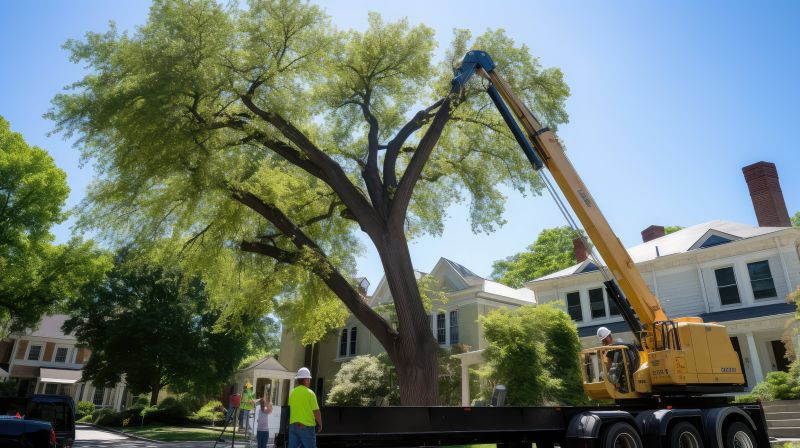
Apple Tree Removal in Allentown, PA
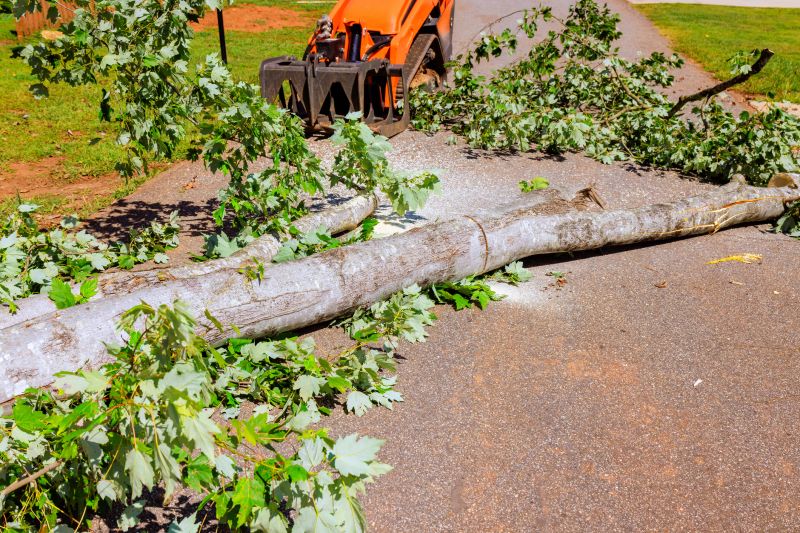
Apple tree removal services involve the careful removal of apple trees that are dead, diseased, damaged, or no longer desired on a property. This process typically includes assessing the tree’s condition, safely cutting and removing the trunk and branches, and cleaning up the debris to ensure the area remains tidy. Projects may range from removing a single problematic tree to clearing multiple trees for landscaping or construction purposes, helping homeowners maintain a safe and attractive outdoor space.
Property owners considering apple tree removal usually want to understand the scope of work involved, including safety precautions and the equipment used. It’s also important to consider factors such as the tree’s size, location, and proximity to structures or power lines, which can influence the complexity of the project. Proper planning and execution can help prevent damage to surrounding property and ensure the removal process is completed efficiently.
Many property owners in Allentown, PA look into Apple Tree Removal for repairs, replacements, upgrades, and appearance-related improvements.
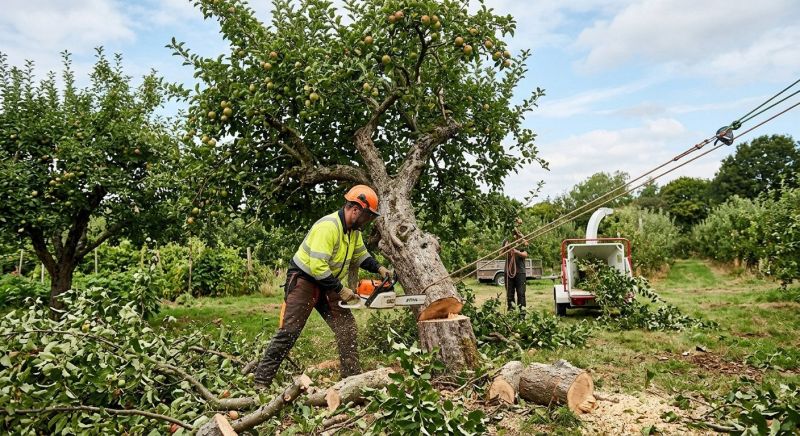
Reasons For Tree Removal
Trees may need to be removed due to disease, damage, or safety concerns on residential properties.
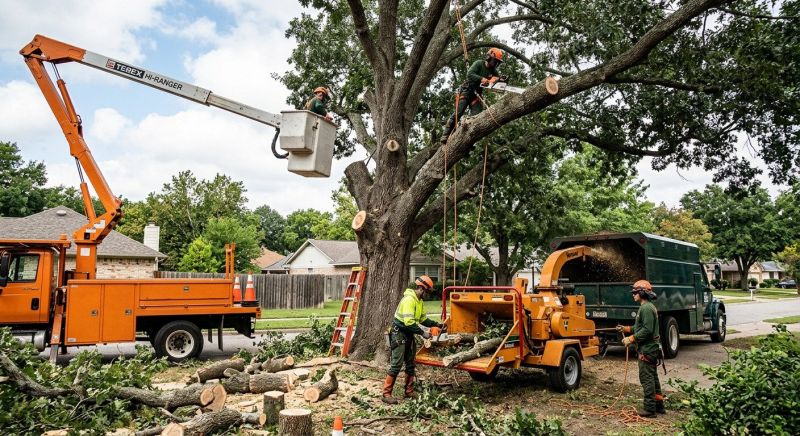
Signs A Tree Needs Removal
Indications include dead branches, leaning trunks, or root damage affecting the stability of the tree.
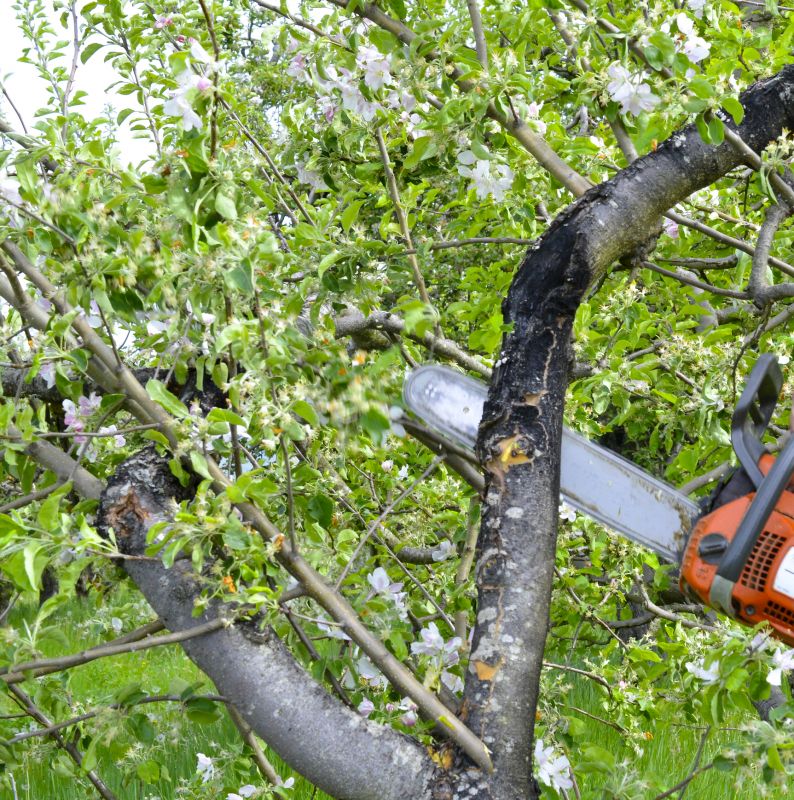
Considerations Before Removal
Assessing the location, size, and potential impact on surrounding structures helps determine the best approach for tree removal.
Apple Tree Removal in Allentown, PA
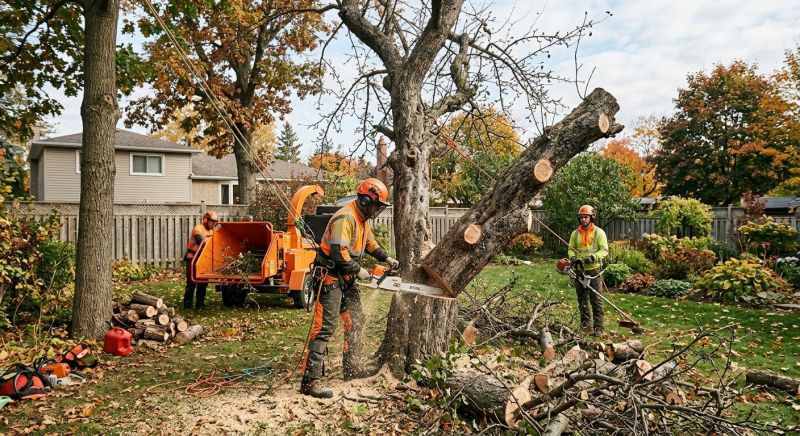
Apple tree removal services involve the careful removal of apple trees that are dead, diseased, damaged, or no longer desired on a property. This process typically includes assessing the tree’s condition, safely cutting and removing the trunk and branches, and cleaning up the debris to ensure the area remains tidy. Projects may range from removing a single problematic tree to clearing multiple trees for landscaping or construction purposes, helping homeowners maintain a safe and attractive outdoor space.
Property owners considering apple tree removal usually want to understand the scope of work involved, including safety precautions and the equipment used. It’s also important to consider factors such as the tree’s size, location, and proximity to structures or power lines, which can influence the complexity of the project. Proper planning and execution can help prevent damage to surrounding property and ensure the removal process is completed efficiently.
Many property owners in Allentown, PA look into Apple Tree Removal for repairs, replacements, upgrades, and appearance-related improvements.
Common Apple Tree Removal Jobs
Apple Tree Removal - safely removes damaged or diseased apple trees to protect property and other plantings.
Stump Removal - clears remaining tree stumps to prevent regrowth and improve landscape appearance.
Emergency Tree Removal - handles urgent situations involving fallen or hazardous apple trees.
Selective Tree Removal - removes specific apple trees to improve sunlight and airflow for remaining plants.
Complete Orchard Clearing - clears multiple apple trees for new landscaping or development projects.
Tree Trimming & Pruning - maintains apple trees for better health, fruit production, and safety.
Apple Tree Removal Questions
When is tree removal necessary for an apple tree? Tree removal may be needed if the tree is diseased, damaged, or poses a safety risk to the property.
How can I tell if my apple tree needs to be removed? Signs include dead or decaking branches, extensive decay, or if the tree is leaning dangerously.
What should property owners consider before removing an apple tree? Consider the tree’s health, its impact on nearby structures, and whether replacement planting is desired.
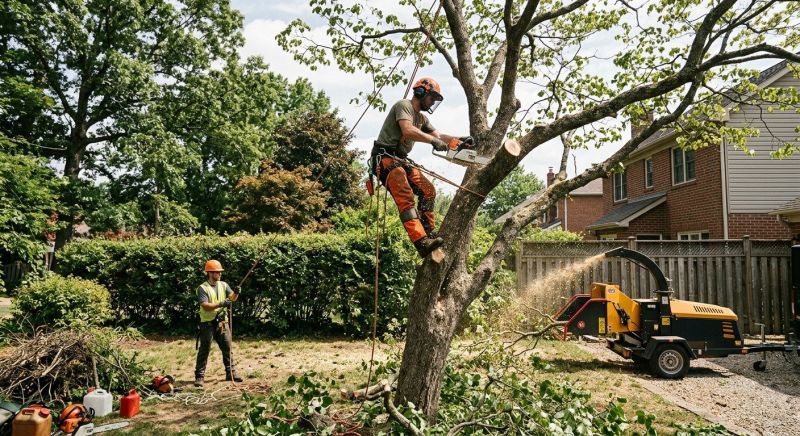
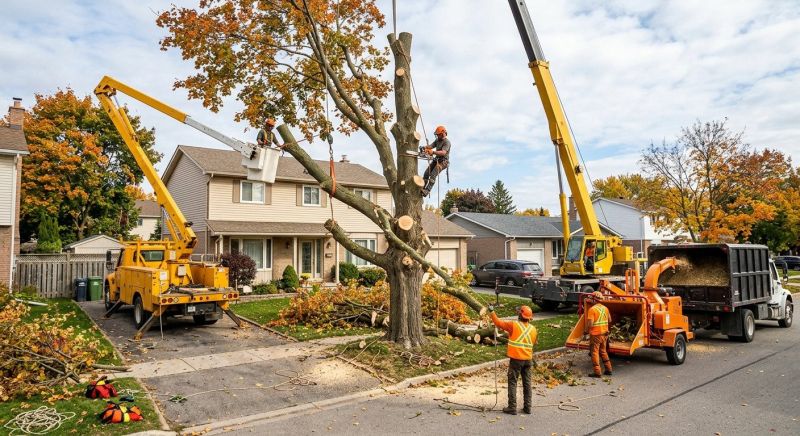
Does removing an apple tree require special equipment? Yes, equipment like cranes, ladders, and safety gear are typically used for safe and effective removal.
Request Apple Tree Removal in Allentown, PA
Use the quote form on this page to share the basics of your project and request more information for the type of work you need.